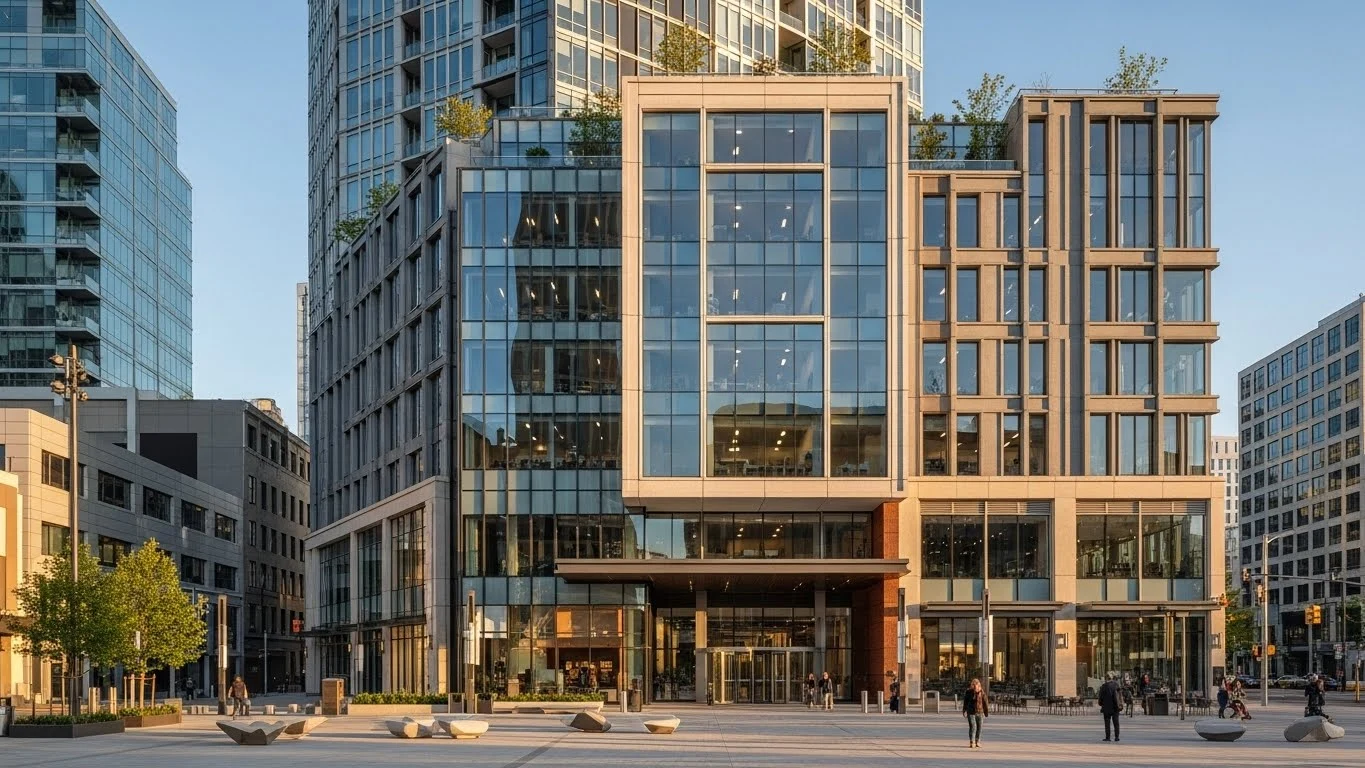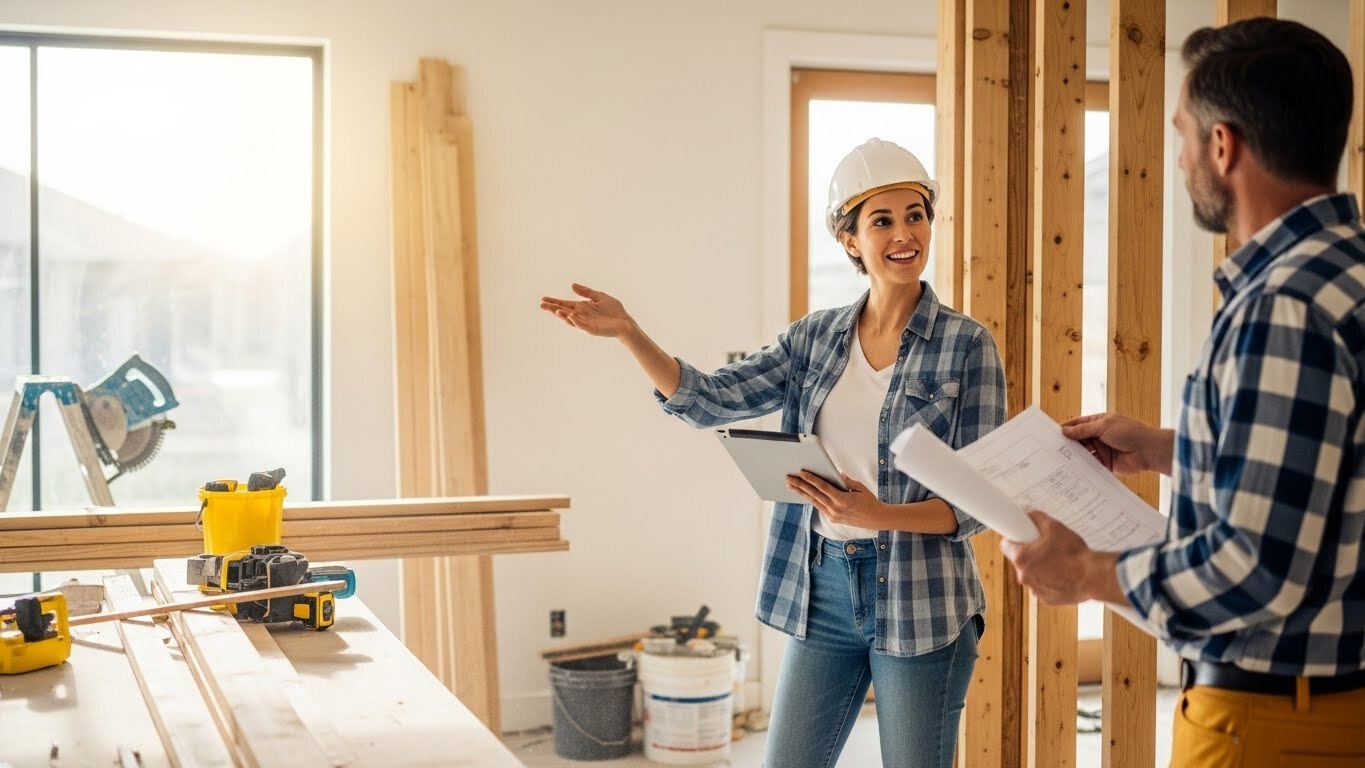
As we step into 2026, the architecture and building industry is undergoing an exciting transformation. New trends are reshaping how we design and construct spaces, with a strong focus on sustainability, digital innovation, and building resilience. At VQ Design PLLC, we are at the forefront of these changes, committed to delivering homes and commercial spaces that integrate eco-friendly building materials, smart building technologies, and modular construction methods. In this article, we’ll explore the top 5 emerging architecture & building trends for 2026, highlighting how these trends are pushing the boundaries of what’s possible in the world of design and construction.
Sustainable Architecture: Building for a Greener Future
Sustainable architecture is no longer just a trend it is a necessity. As the global conversation around climate change intensifies, architects and builders are turning to sustainable design practices to minimize environmental impact and create buildings that are energy-efficient, durable, and climate-responsive.
In 2026, we anticipate that sustainable architecture will continue its upward trend, with a growing emphasis on designing spaces that harmonize with their surroundings. This includes the use of eco-friendly building materials, green roofs, and advanced solar energy systems. At VQ Design PLLC, we understand that sustainability extends beyond the use of recycled materials; it’s about creating energy-efficient structures that reduce the building’s carbon footprint throughout its entire lifecycle.
Key Features of Sustainable Architecture:
- Solar panels and solar-ready roofs to harness renewable energy.
- Energy-efficient windows, insulation, and heating systems for better thermal performance.
- Rainwater harvesting and greywater recycling systems to conserve water resources.
At VQ Design PLLC, we ensure that every project, whether residential or commercial, integrates sustainable design elements that provide long-term value for our clients and the planet.
Eco-Friendly Building Materials: Innovations for Sustainable Construction
The materials we use to build our homes and commercial spaces have a significant impact on the environment. In 2026, we expect an even greater emphasis on eco-friendly building materials, which are not only sustainable but also high-performing and cost-effective.
Materials such as recycled steel, bamboo, hempcrete, and low-VOC paints will become more common in the construction of both residential and commercial buildings. These materials are renewable, biodegradable, or have minimal impact on natural resources. Moreover, many of these materials offer superior performance in terms of insulation, durability, and safety.
At VQ Design PLLC, we prioritize eco-friendly materials that ensure both high-quality results and minimal environmental impact. We believe that sustainable design begins with the selection of materials that will contribute to a building’s overall energy efficiency and longevity.
Why Eco-Friendly Materials Matter:
- They help reduce construction waste and lower carbon emissions.
- They improve energy efficiency and lower operational costs.
- They create healthier living and working environments by reducing harmful chemicals and improving indoor air quality.
Smart Building: The Integration of Technology in Design
Smart buildings are set to dominate the construction industry in 2026. As more devices become connected to the Internet of Things (IoT), the integration of smart technologies into building design is becoming increasingly important.
From automated lighting systems to smart thermostats, energy monitoring systems, and advanced security features, smart buildings are designed to enhance convenience, security, and energy efficiency. For residential homes, this means homeowners can control everything from lighting to temperature with the touch of a button. In commercial spaces, smart buildings help businesses monitor energy usage, automate systems, and create more efficient workflows.
At VQ Design PLLC, we specialize in incorporating smart technologies into our designs, making spaces more connected, efficient, and responsive to the needs of their inhabitants. Our smart building approach aims to improve the quality of life for occupants while contributing to sustainability.
Benefits of Smart Buildings:
- Energy savings through automation and real-time monitoring.
- Enhanced security with smart surveillance systems and access controls.
- Increased comfort with adjustable lighting, climate control, and personalized settings.
Modular Construction: Speed and Flexibility in Building Design
The demand for faster and more efficient construction methods is pushing modular construction to the forefront in 2026. Modular buildings are prefabricated in a controlled factory setting before being assembled on-site. This approach significantly reduces construction time, lowers labor costs, and minimizes material waste.
Modular construction is ideal for both residential and commercial projects, providing flexibility in design while maintaining high standards of quality. At VQ Design PLLC, we understand the benefits of modular construction, offering customizable modular homes and commercial spaces that meet the unique needs of our clients.
Why Modular Construction is Gaining Popularity:
- Faster construction times, reducing the time spent on-site.
- Cost-effective due to reduced labor and material costs.
- Design flexibility, allowing for customized layouts and features.
By integrating modular construction into our design process, we can deliver projects more quickly and cost-effectively without compromising on quality.
Resilient Design: Preparing Buildings for the Future
As extreme weather events and natural disasters become more frequent, resilient design is becoming increasingly important. Resilient architecture focuses on building structures that can withstand environmental stressors such as floods, hurricanes, and earthquakes. This includes the use of sustainable materials, reinforced foundations, and design strategies that allow buildings to adapt to changing conditions.
In 2026, resilient design will continue to be a priority for architects and builders, particularly in areas prone to natural disasters. At VQ Design PLLC, we incorporate resilience into every project, ensuring that buildings not only look beautiful and perform well but also stand strong against the challenges posed by a changing climate.
Key Aspects of Resilient Design:
- Waterproofing and flood-resistant materials for flood-prone areas.
- Seismic retrofitting to protect against earthquakes.
- Wind-resistant design for hurricane-prone regions.
By prioritizing resilient design, we ensure that our buildings stand the test of time and protect their occupants in the face of unpredictable challenges.
Conclusion: Embracing the Future of Architecture in 2026
The architecture and construction industry is evolving rapidly, with sustainability, digital integration, and resilience at the heart of the transformation. At VQ Design PLLC, we are excited to be at the forefront of these emerging trends, integrating eco-friendly building materials, smart building technologies, and modular construction methods into every project we undertake.