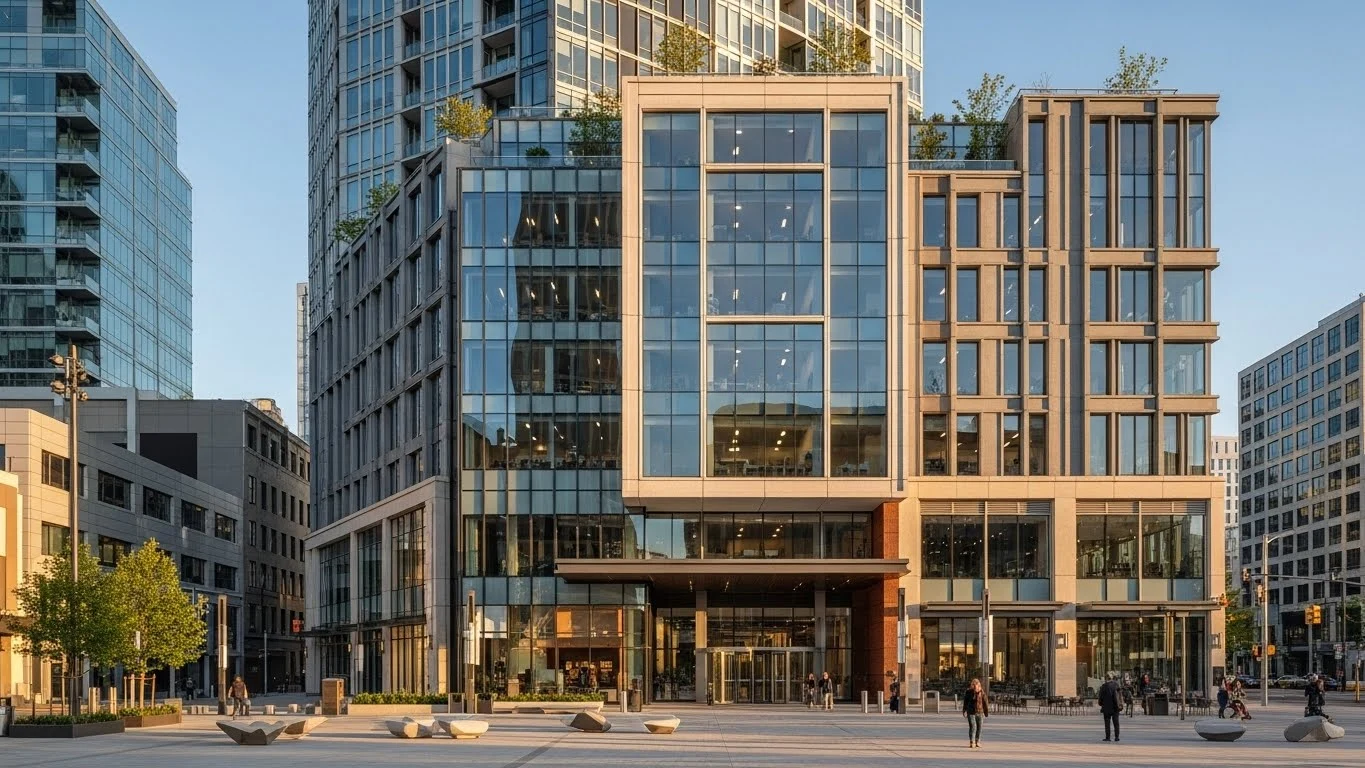
As we move into 2026, commercial architecture design is no longer just about creating visually appealing buildings. It has evolved into a performance-driven, technology-enabled discipline that directly impacts operational efficiency, sustainability, brand identity, and long-term return on investment. Businesses that understand these shifts early are better positioned to mitigate risk, manage costs, and create environments that adapt to future demands.
At VQ Design PLLC, commercial projects are approached through a performance-engineering mindset where form, function, environment, and structure work together as one integrated system. This article explores how commercial architecture design is changing in 2026, the technologies shaping it, and what business owners must understand before starting their next project.
Why Is Commercial Architecture Design Changing So Rapidly in 2026?
The transformation of commercial architecture design is being driven by several converging forces: rising construction costs, stricter energy codes, climate responsiveness, AI-powered tools, and changing workplace behaviors. Businesses are demanding buildings that do more than house operations; they want assets that actively improve performance.
In 2026, successful projects are those that prioritize:
- Long-term operational efficiency over short-term savings
- Data-driven design decisions
- Adaptability to future business growth
- Environmental and regulatory resilience
This shift has blurred the traditional boundaries between commercial building design and engineering, pushing architects to think beyond aesthetics and into performance metrics.
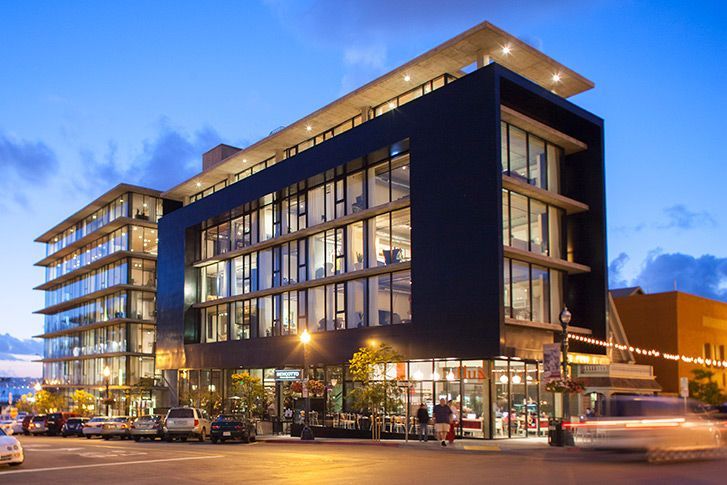
Key Commercial Architecture Design Trends Shaping 2026
1. Performance-Driven Design Becomes the Standard
In 2026, performance is no longer optional. High-performing commercial architecture design focuses on how a building behaves over time, energy usage, structural durability, maintenance demands, and occupant comfort.
Rather than designing first and “fixing” inefficiencies later, firms now integrate performance analysis from day one. This approach reduces costly revisions, improves predictability, and delivers measurable ROI.
2. Climate-Responsive Commercial Design
Regional climate conditions now heavily influence commercial design architecture decisions. Buildings designed without considering solar exposure, wind patterns, temperature swings, and site conditions are increasingly viewed as financial liabilities.
Climate-responsive architecture:
- Reduces energy consumption
- Extends building lifespan
- Enhances occupant comfort
- Lowers long-term operational costs
This is especially critical in regions with extreme or variable environmental conditions.
3. Flexible and Adaptive Commercial Spaces
Rigid layouts are being replaced by flexible systems. In 2026, commercial architecture design prioritizes modular planning that allows businesses to scale, reconfigure, or repurpose spaces without major renovations.
Adaptability is particularly important for:
- Office buildings
- Mixed-use developments
- Hospitality and retail projects
Designing for change up front significantly reduces future capital expenditures.
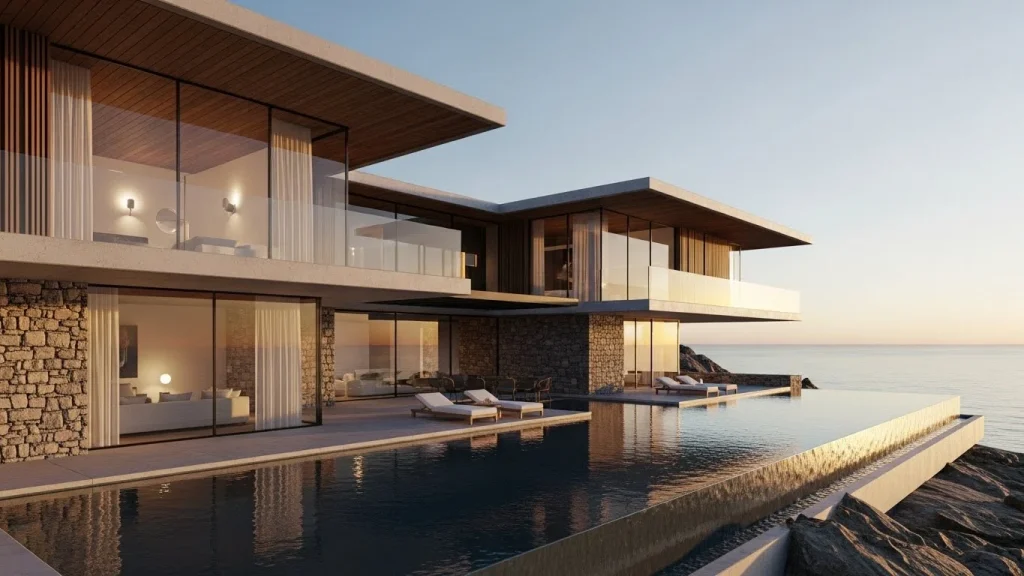
The Role of Technology in Commercial Architecture Design
AI-Assisted Design and Predictive Modeling
Artificial intelligence is now a powerful decision-support tool in commercial architecture design. AI-driven simulations allow architects to test thousands of design variables, such as structural loads, daylight performance, airflow, and energy use, before construction begins.
This leads to:
- Better-informed design decisions
- Fewer construction-phase changes
- Higher confidence in performance outcomes
AI does not replace architectural expertise; it enhances it by providing deeper insight earlier in the process.
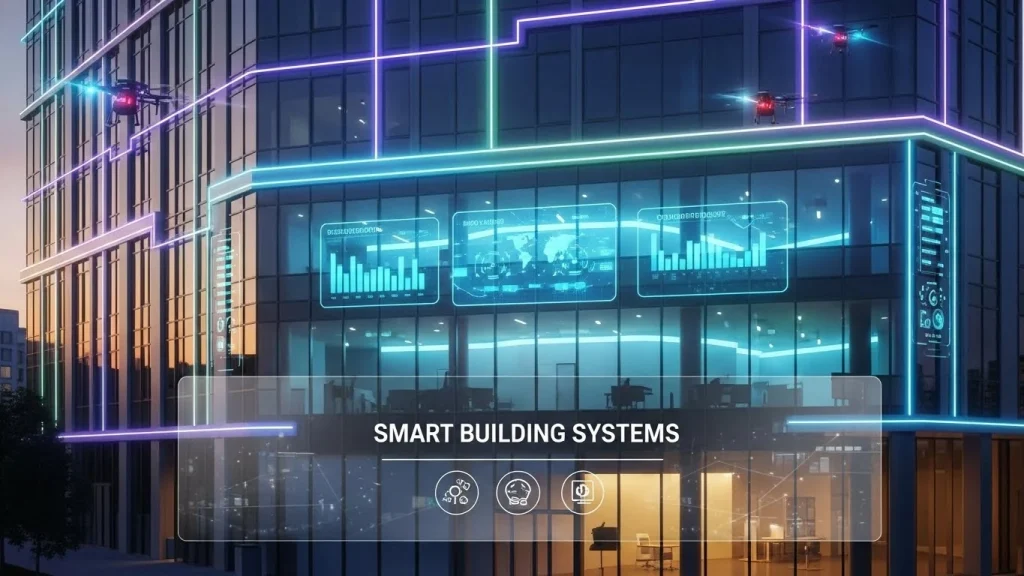
Smart Building Systems Integration
In 2026, smart systems are no longer add-ons. They are integral to commercial building design. These systems monitor and optimize:
- Energy consumption
- HVAC performance
- Lighting efficiency
- Occupant usage patterns
When coordinated during the design phase, smart technologies reduce operational waste and improve building intelligence from day one.
Sustainability as a Business Strategy, Not a Trend
Sustainability has matured beyond marketing language. In modern commercial architecture design, it is a core financial strategy. Energy-efficient buildings cost less to operate, comply more easily with evolving regulations, and maintain higher long-term value.
Key sustainable design priorities include:
- Passive design strategies
- High-performance building envelopes
- Durable, low-maintenance materials
- Reduced lifecycle environmental impact
Forward-thinking commercial design architecture strikes a balance between sustainability and practical realities, ensuring that environmental goals do not compromise performance.
Commercial Architecture Design vs. Commercial Building Design: What’s the Difference?
Although often used interchangeably, there is a strategic distinction:
- Commercial architecture design focuses on spatial experience, performance integration, aesthetics, and long-term adaptability.
- Commercial building design often emphasizes structural systems, code compliance, and constructability.
In 2026, the most successful projects integrate both disciplines seamlessly. When architecture and engineering operate collaboratively, the result is a building that performs as well as it looks.
What Businesses Must Know Before Starting a Commercial Project in 2026
1. Early Design Decisions Have the Greatest Financial Impact
Choices made during the early stages of commercial architecture design influence up to 80% of a building’s lifetime costs. Investing in thoughtful planning reduces downstream risks and change orders.
2. Performance Metrics Matter More Than Visual Trends
A visually striking building that performs poorly will cost more over time. Businesses should prioritize measurable outcomes, energy efficiency, durability, and flexibility over short-lived design trends.
3. Integrated Teams Deliver Better Results
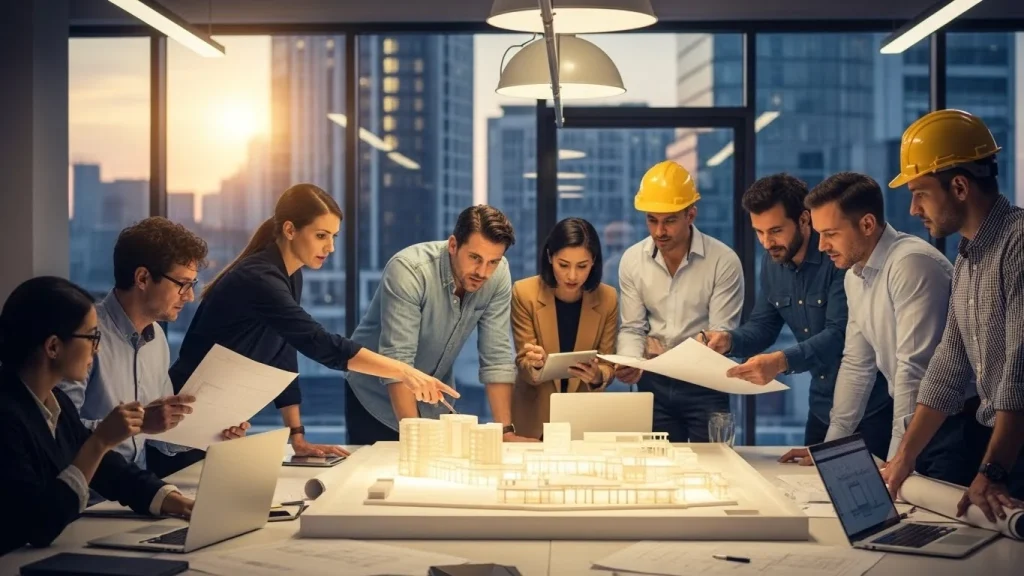
Projects benefit most when architects, engineers, and consultants collaborate from the start. This integrated approach ensures alignment between vision, performance, and constructability.
How Commercial Architecture Design Impacts Long-Term Business Performance
Well-executed commercial architecture design is not an expense—it is a business asset. High-performing buildings:
- Reduce operating costs
- Improve employee productivity and comfort
- Enhance brand credibility
- Adapt to changing market conditions
In contrast, poorly planned facilities often require expensive retrofits and suffer from inefficiencies that compound over time.
Why Forward-Thinking Businesses Are Rethinking Commercial Design Architecture
As competition increases and margins tighten, businesses are re-evaluating how the built environment supports their goals. In 2026, commercial design architecture is expected to:
- Align with business strategy
- Respond intelligently to site and climate
- Support future operational changes
This holistic mindset separates successful projects from those that struggle to remain relevant.
Final Thoughts: Preparing for the Future of Commercial Architecture Design
The future of commercial architecture design in 2026 is defined by performance, intelligence, and adaptability. Businesses that embrace data-driven planning, climate responsiveness, and integrated design strategies gain a measurable advantage both operationally and financially.