Welcome to a world where buildings breathe, energy is harvested from the sun, and every material tells a story of renewal. Sustainable architecture isn’t just a trend, it’s a fundamental shift in how we imagine, design, and inhabit the spaces around us. At its core, it’s about responsibility: to our planet, to our communities, and to future generations. This is architecture that thinks ahead, feels deeply, and builds with intention. In this blog, we’ll explore not just the how of sustainable design, but the why—the philosophy, the innovation, and the human spirit behind structures that give back more than they take.
Sustainable Design: More Than a Blueprint, a Belief System
Sustainable design is the thoughtful heartbeat of eco-conscious architecture. It’s where creativity meets conscience, and where every decision from the orientation of a window to the sourcing of a floorboard is made with long-term impact in mind.
This approach goes far beyond adding solar panels or recycling bins. It’s a holistic philosophy that considers the entire lifecycle of a building. How will it affect the local ecosystem? Can it generate its own energy? Will it provide well-being for its inhabitants? Sustainable design answers these questions with innovation, blending age-old wisdom like natural ventilation and passive heating with cutting-edge technology, such as smart energy grids and biophilic elements that reconnect people with nature.
At its best, sustainable design tells a story of harmony. It’s about creating structures that don’t just stand on the land, but belong to it. Whether it’s a home that collects rainwater for its garden, an office that maximizes natural light to boost productivity, or a community center built from locally sourced timber, sustainable design proves that we can live beautifully without compromising the world we love.
Sustainable Architectural Principles: The Pillars of Purposeful Building
If sustainable design is the vision, then sustainable architectural principles are the guiding rules that bring that vision to life. These are the non-negotiables, the ideas that ensure a building is truly green from the ground up.
Energy Efficiency & Renewability
This is often the starting point. It’s about designing buildings that need less energy to begin with through superior insulation, strategic window placement, and thermal mass and then supplying the remaining needs through clean sources like solar, wind, or geothermal. The goal is a “net-zero” building, one that produces as much energy as it consumes over a year.
Water Stewardship
Freshwater is precious, and sustainable architecture treats it that way. Principles here include rainwater harvesting, greywater recycling systems for irrigation and toilets, and landscaping with native, drought-resistant plants. It’s a closed-loop mindset, minimizing waste and maximizing every drop.
Material Mindfulness
What is this building made of? Sustainable principles prioritize non-toxic, recycled, renewable, or rapidly regenerative materials. Think bamboo flooring, reclaimed wood, recycled steel, and low-VOC paints. It also means designing for durability and future disassembly, so materials can be reused instead of landfilled.
Health & Well-being
A sustainable building is a healthy one. This principle focuses on superb indoor air quality, abundant natural light, acoustic comfort, and spaces that encourage movement and connection. It recognizes that the well-being of the planet and the well-being of people are inseparable.
Site Sensitivity & Ecology
True sustainability begins before the first foundation is poured. This means assessing and preserving the natural landscape, minimizing site disruption, protecting existing vegetation and waterways, and even designing to restore local habitats.
The Tangible Benefits: Why Sustainable Architecture is a Win for Everyone
Embracing sustainable architecture isn’t an act of sacrifice; it’s an investment with profound returns. The benefits ripple outwards, touching our wallets, our health, and our collective future.
Environmental Impact
The most direct benefit is to the planet. Sustainable buildings drastically reduce greenhouse gas emissions, lessen the strain on water resources, minimize waste sent to landfills, and help preserve biodiversity. They are a tangible action against climate change and resource depletion.
Economic Sense
While the upfront cost can sometimes be higher, the long-term savings are undeniable. Drastically lower utility bills, reduced maintenance costs, and higher property values make sustainable buildings financially smarter over their lifespan. They also future-proof assets against rising energy costs and shifting regulations.
Human Health & Productivity
Spaces filled with clean air, natural light, and a connection to nature don’t just feel better they make us perform better. Studies consistently show improvements in occupant health, reduced sick days, enhanced cognitive function, and greater overall satisfaction in green buildings.
Resilience & Community
Sustainable building designs are often more resilient to extreme weather and power outages. They foster stronger communities by creating healthier, more pleasant shared environments and by prioritizing local materials and labor, which boosts local economies.
The Human Element: Stories in Steel, Glass, and Hope
Behind every sustainable structure is a story. There’s the story of the architect who fought for a green roof against budget constraints. The story of the family whose energy bills vanished after retrofitting their home. The story of the office workers who found calm in a sun-drenched atrium filled with plants.
This is the human heart of sustainable architecture. It’s about the pride of a craftsman working with reclaimed barn wood. It’s about the relief of an asthma patient breathing easier in a toxin-free home. It’s about the wonder of a child learning where their water and power come from, seeing the cycle of sustainability firsthand.
These stories remind us that we aren’t just building structures we’re building experiences, legacies, and a tangible sense of hope. Every sustainable building is a quiet statement of faith in the future, a proof point that progress and preservation can go hand in hand.
Looking Forward: The Sustainable Cities of Tomorrow
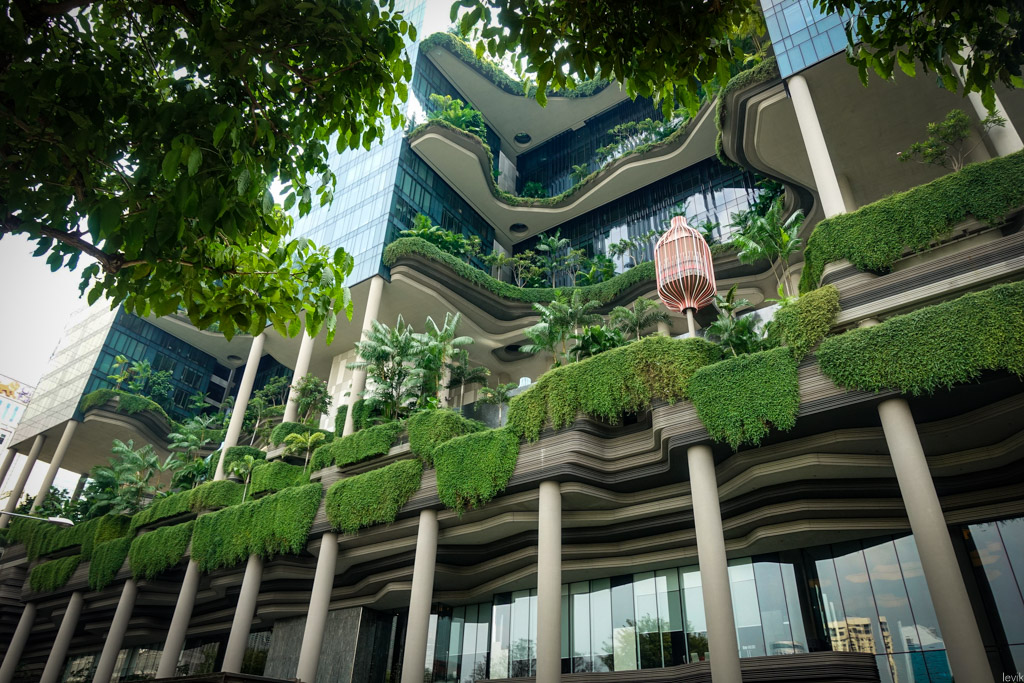
The future of sustainable architecture is bright, brimming with ideas that sound like science fiction but are steadily becoming reality. Imagine vertical forests skyscrapers covered in oxygen-producing foliage. Envision adaptive reuse on a massive scale, where old shopping malls become vibrant housing complexes. Consider 3D-printed homes made from recycled materials, built in hours with near-zero waste.
The next frontier is the regenerative building one that doesn’t just do less harm, but actively improves its environment, generating clean energy for the grid, cleaning the air, and increasing local biodiversity. It’s architecture that doesn’t take, but gives.
This future requires all of us: visionary designers, conscious builders, supportive policymakers, and, most importantly, informed individuals who demand better spaces to live, work, and thrive.
Frequently Asked Questions
1. What is sustainable architecture in simple terms?
It’s the practice of designing and constructing buildings to minimize their environmental impact. This means using resources efficiently, prioritizing occupant health, and reducing waste throughout the building’s lifecycle. Ultimately, it’s about creating spaces that are in harmony with the planet.
2. Does sustainable architecture cost more to build?
While upfront costs can be slightly higher due to specialized materials and systems, sustainable buildings save significantly over time. Reduced energy and water bills, lower maintenance, and higher property value make them a smart long-term investment. Many green features also qualify for tax incentives and rebates.
3. Can existing buildings be made sustainable?
Absolutely, through a process called retrofitting. This can include adding insulation, upgrading to energy-efficient windows and HVAC systems, installing solar panels, and improving water fixtures. Even small changes, like switching to LED lighting, contribute to a building’s sustainability.
4. How does sustainable architecture improve health?
It uses non-toxic materials and maximizes natural light and ventilation, which improves indoor air quality and reduces pollutants. Biophilic design elements, like plants and natural materials, also lower stress and enhance mental well-being. Healthier spaces lead to happier, more productive occupants.